
Fortecho Lite is a scaled-down version of the museum-grade Fortecho system, suitable for residences, private collections, small galleries and temporary exhibitions.
A standalone, touchscreen solution, Fortecho Lite offers the same wireless, 24/7 monitoring of paintings, prints, display cases, sculptures and other valuable artefacts on a smaller scale.
We specialise in Active RFID technology, the most versatile and suitable tool for protecting assets in dynamic environments. Our sensors monitor for:
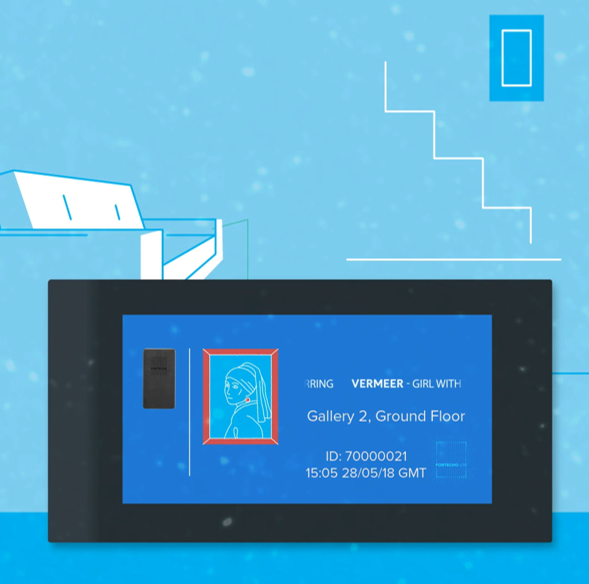
Fortecho Lite operates on a slim, touchscreen processor. Its clear presentation enables you to register the health of the system at a glance. Main features include:
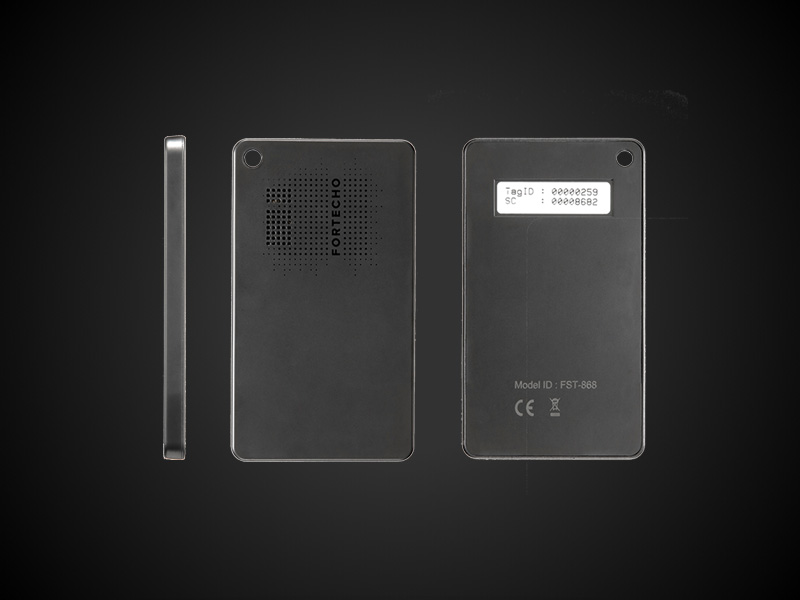
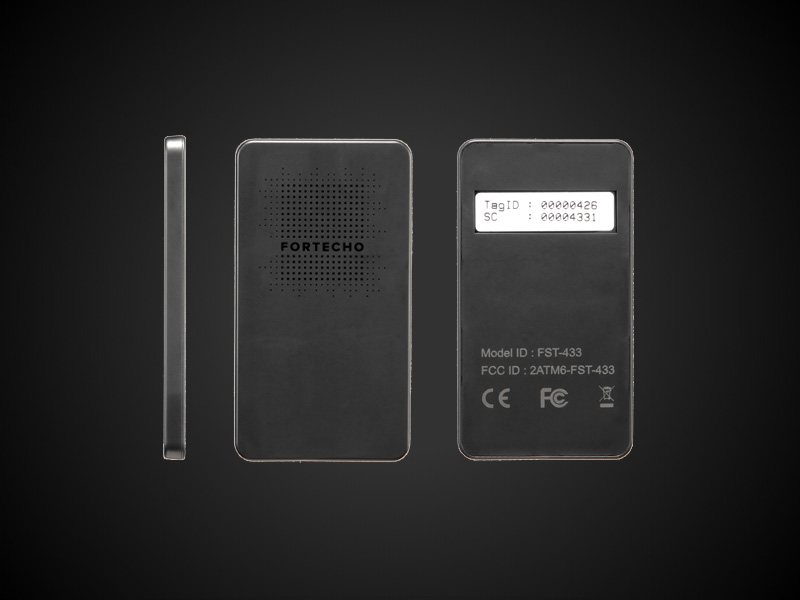
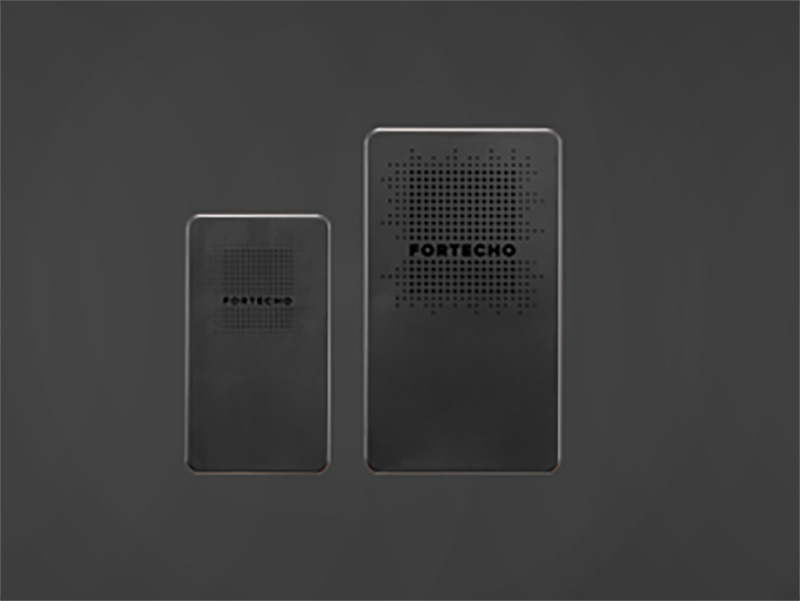
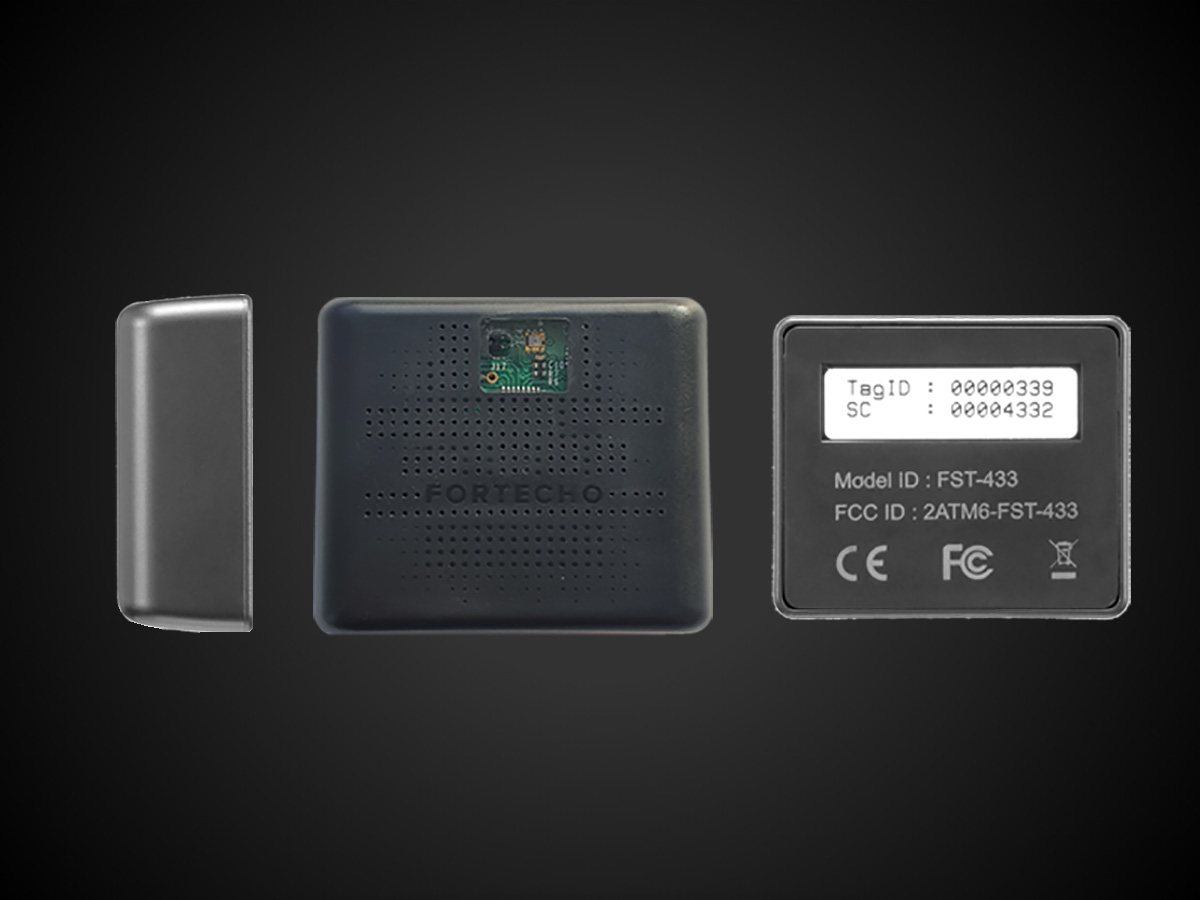
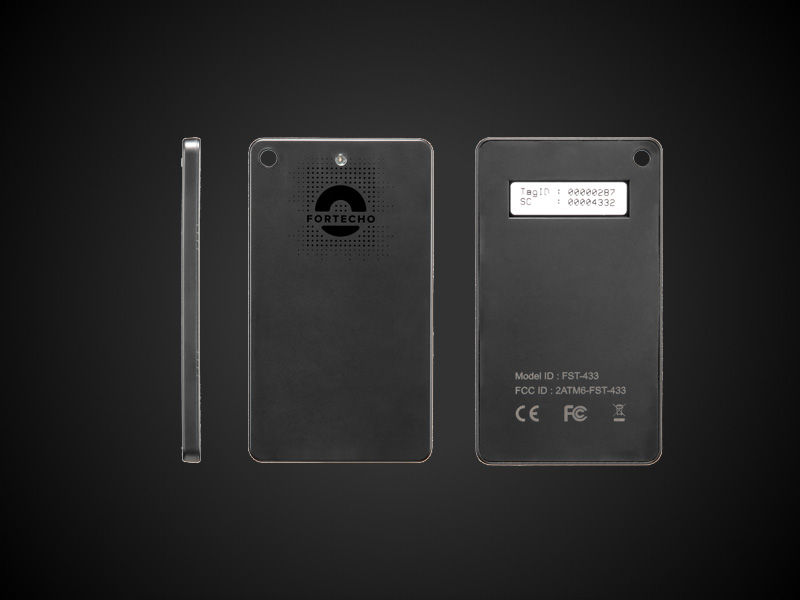
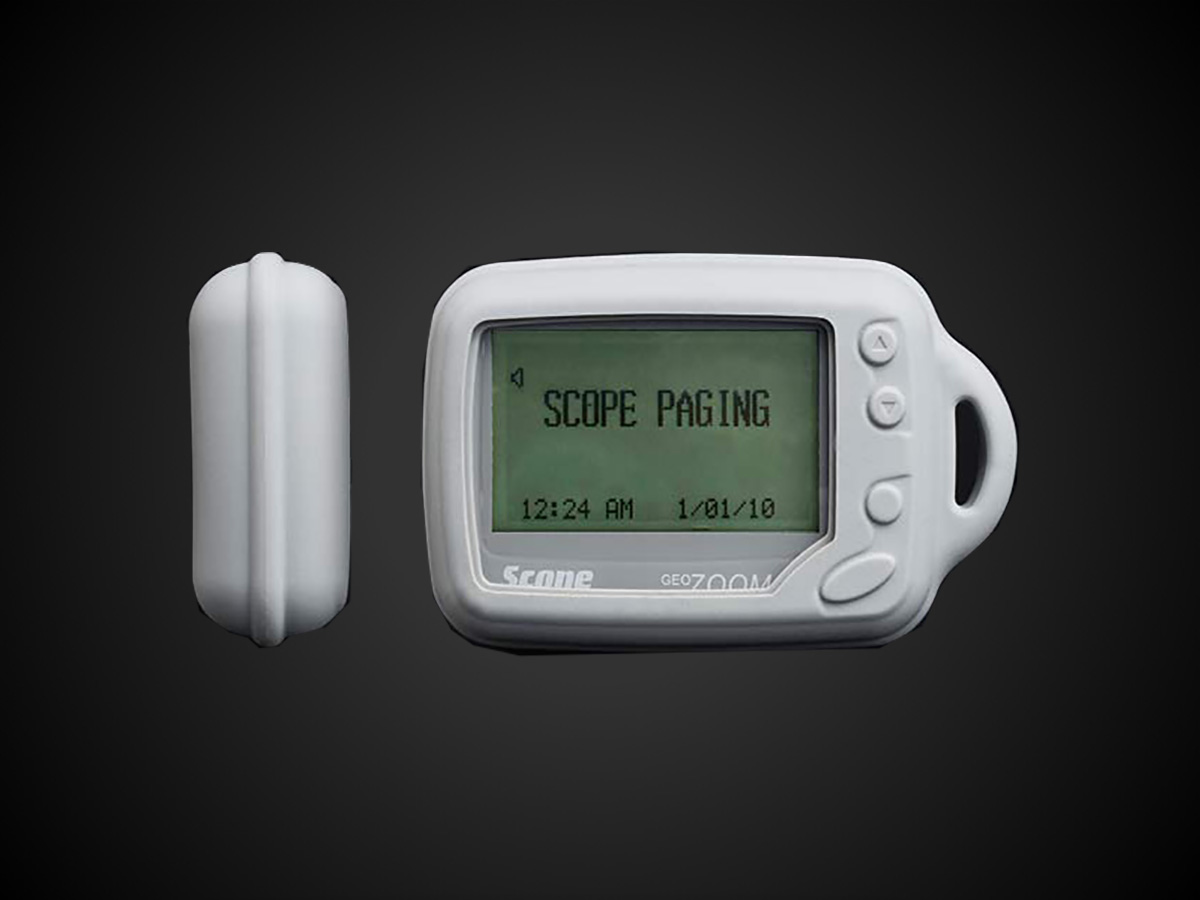
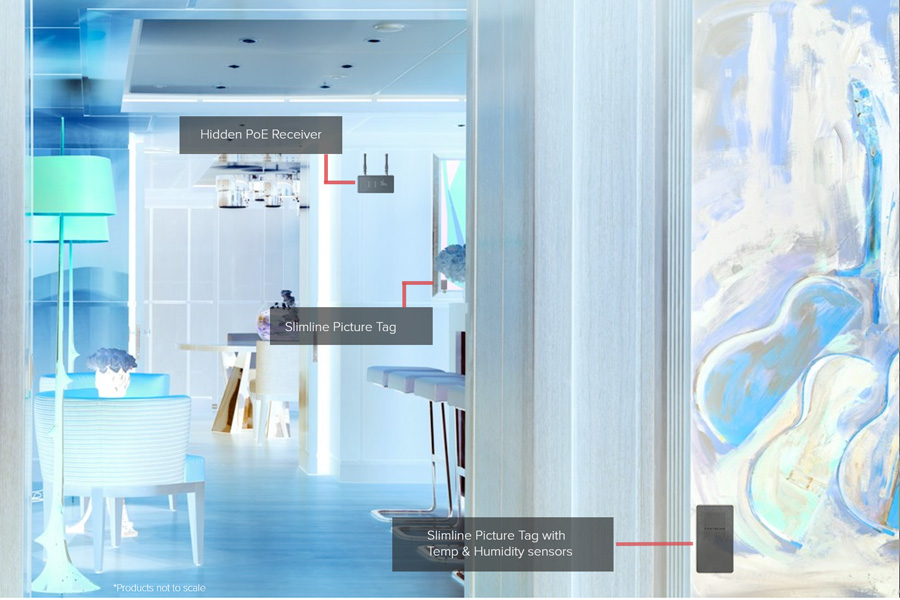
Our tags are extremely versatile and their shape, size and functionality differ depending on the intended application.
Fortecho tags attach discretely and safely onto, next to, or even inside artworks. They are completely hidden from view and are controlled remotely via the Fortecho software to minimise handling time and disruption.
Our tags work in real-time to detect movement, damage, tamper (whether the tag has been removed from the artwork or object) and the location of the asset or personnel. Tags check in every minute but send a burst of four messages a second in the event of an activation.
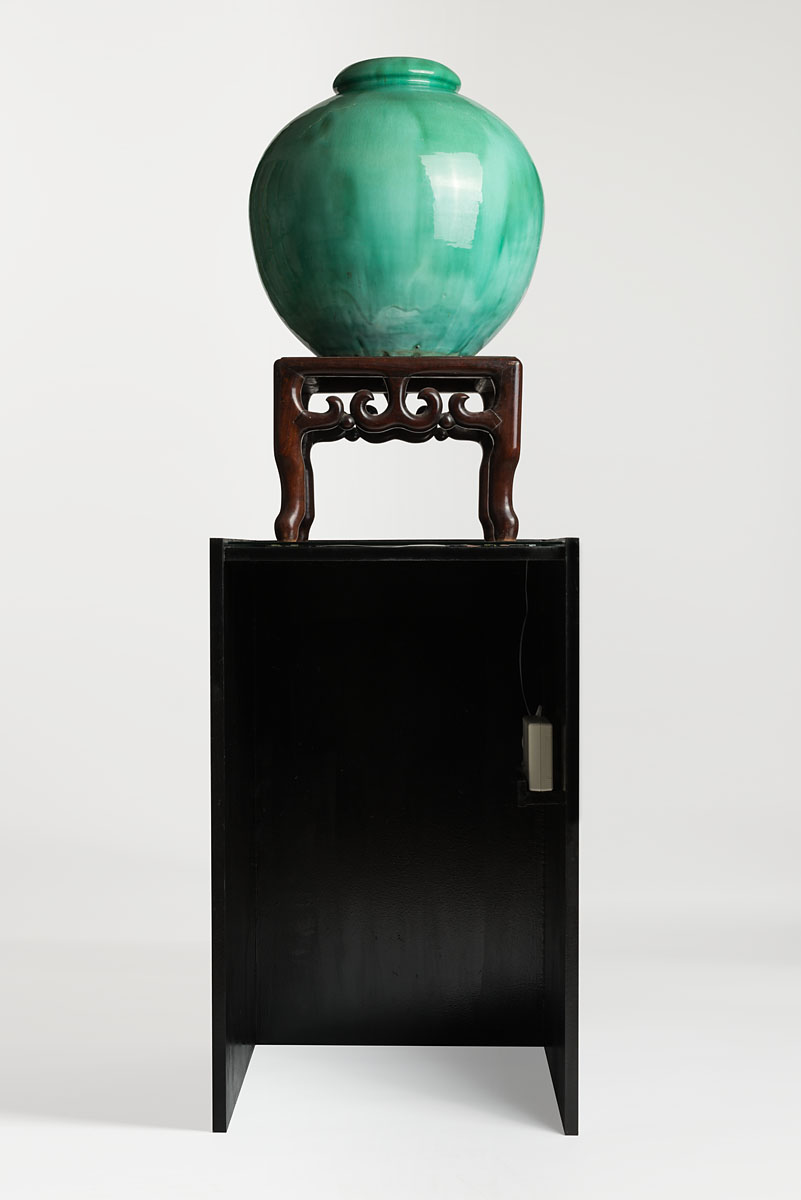
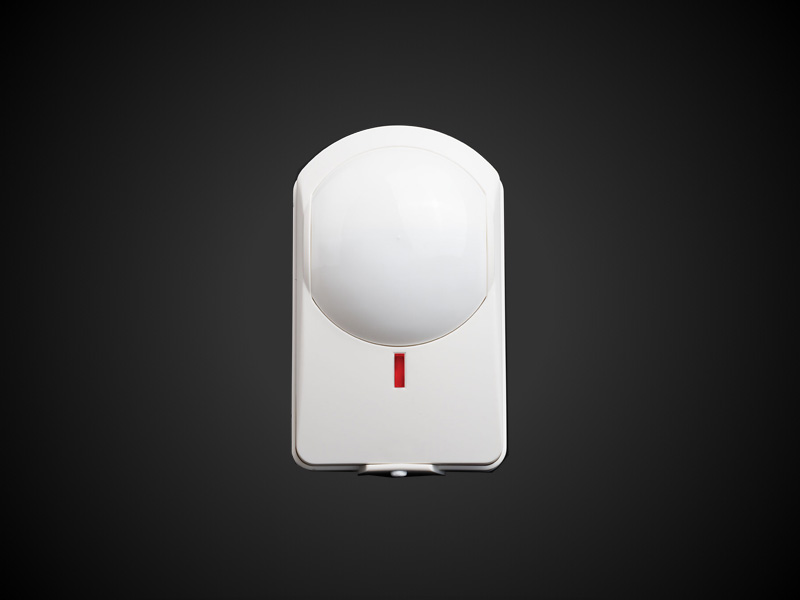
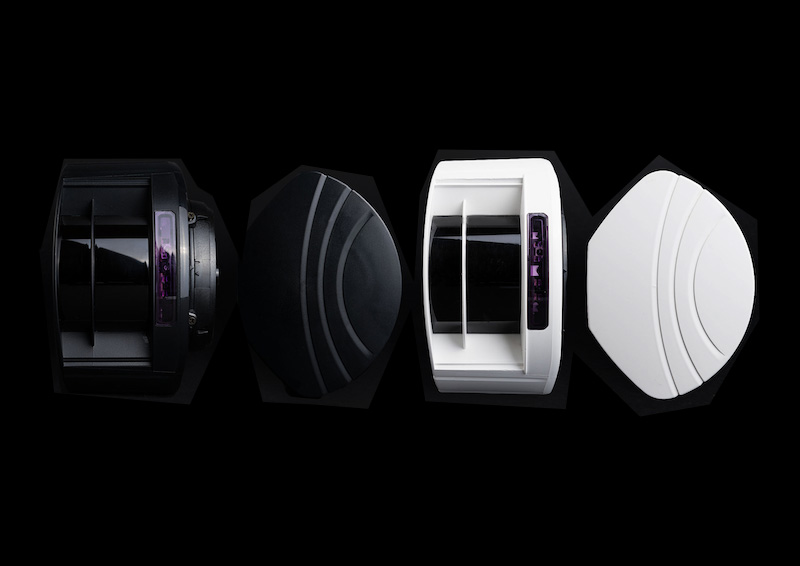
We also deploy PIR, VOS or laser devices to monitor for proximity/approach. Similarly, we use pressure plinth/kit systems for sculptures and small objects where traditional tag attachment isn’t possible.
Sensors communicate wirelessly with a network of RFID Receivers or ‘Readers’ at distances of 15-70m indoors, or up to 200m outdoors. Readers create a cocoon of RFID coverage within which all assets are protected. Because tags communicate at 433 MHz, encrypted messages penetrate through most materials (including walls, floors and ceilings), allowing readers to be easily hidden inside walls, floors and furniture, though some of our clients prefer to mount them visible as a deterrent. Only a few receivers are required to cover any given space.
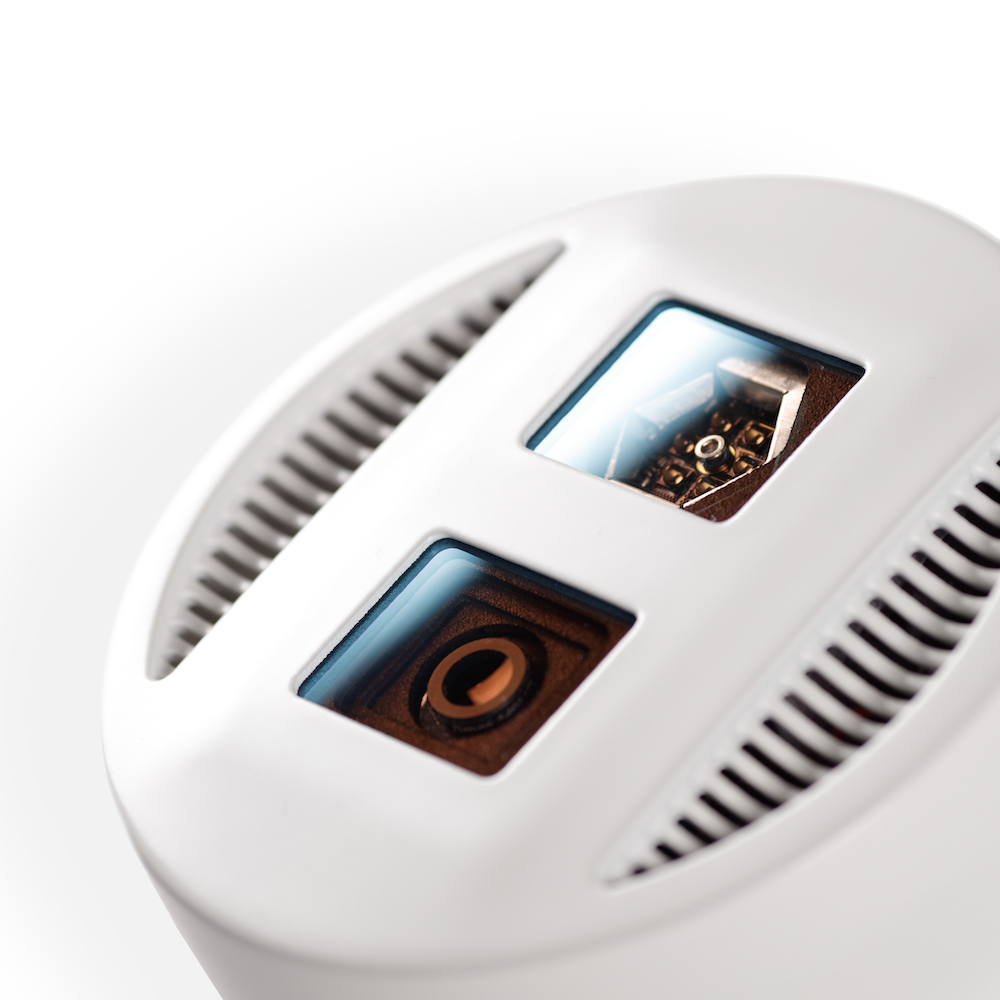
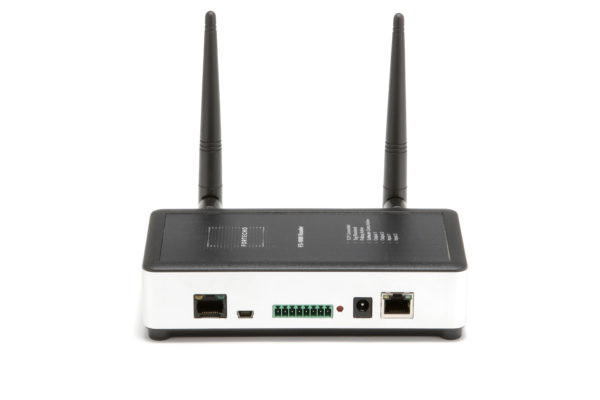
The new FS-1000 detects and decodes RFID (radio frequency identification) signals from Fortecho Solutions’ range of active RFID tags.
Dual Antenna technology provides RF redundancy coverage, giving a better wireless range. This reader is ideally suited for use in systems that track and secure tagged assets such as artwork, containers, plant and machinery or high-value assets, or for monitoring personnel in health and safety or security applications. The FS-1000 readers can be used to create RFID networks within buildings. For more robust and rigorous uses, they can be deployed externally across large complexes, such as container ports, warehouses or external yards if suitably protected.
The tag data and reader status information is fed into the end-user application enabling complete management of all tagged assets and the automation of business decisions about them based on accurate and near real-time knowledge of their location and condition.
As a standalone device, we advise linking with an intruder alarm panel, consolidating alarms and offering external connectivity. Fortecho Lite and 3rd party systems communicate via our ADR IO boards using up to 16 physical relay outputs (NC or NO). With an inbuilt watchdog, it is possible to monitor the Fortecho Lite system and send out an alert in case of a crash or power failure.
Please write your enquiry below and we will contact you as soon as possible:
Head of Commercial
Bart Miller joined Fortecho in 2019 and currently oversees UK sales and the company’s global commercial development, with a specific focus on B2B & B2C sales, marketing and business development.
Prior to joining Fortecho Bart spent six years working at Sotheby’s as a Junior Specialist in Impressionist & Modern Art. Working with world leading institutions and private collectors to expand and manage their assets.
Bart holds a Batchelors Degree in History from the University of Oxford Brookes and a diploma in Art Business from the Sotheby’s Institute, where he has also lectured. In his spare time, he is keenly involved in the art world, helping to organise shows and submitting academic articles to industry journals.